


The Mindful Healthcare Scholars program (MHS) is an interprofessional program uniquely tailored for people working in, or who want to work in, any clinical system such as hospitals, healthcare systems, primary care, community health centers, mental healthcare, addiction treatment, and other healthcare institutions. Mindful Healthcare Scholars is a training program offered by the Cambridge Health Alliance (CHA) Center for Mindfulness and Compassion, with support from the CHA Office of Academic Affairs. CHA is a Harvard Medical School affiliated health care system.
The Mindful Healthcare Scholars training program was built around a Foundations Course that offers a core curriculum through didactic and experiential sessions to develop:
1) a personal mindful and compassionate presence,
2) knowledge about evidence-based mindfulness and compassion practices,
3) skills for resilient leadership, and
4) cultivation of a professional network.
The Foundations Course is designed to help Scholars be able to successfully integrate evidence-based mindfulness and compassion practices into their healthcare settings. After completion of the core curriculum, Scholars are encouraged to participate in at least one Advanced Track that are specifically designed to help support them in achieving their personal and professional goals.
OUR CURRENT SCHOLARS:
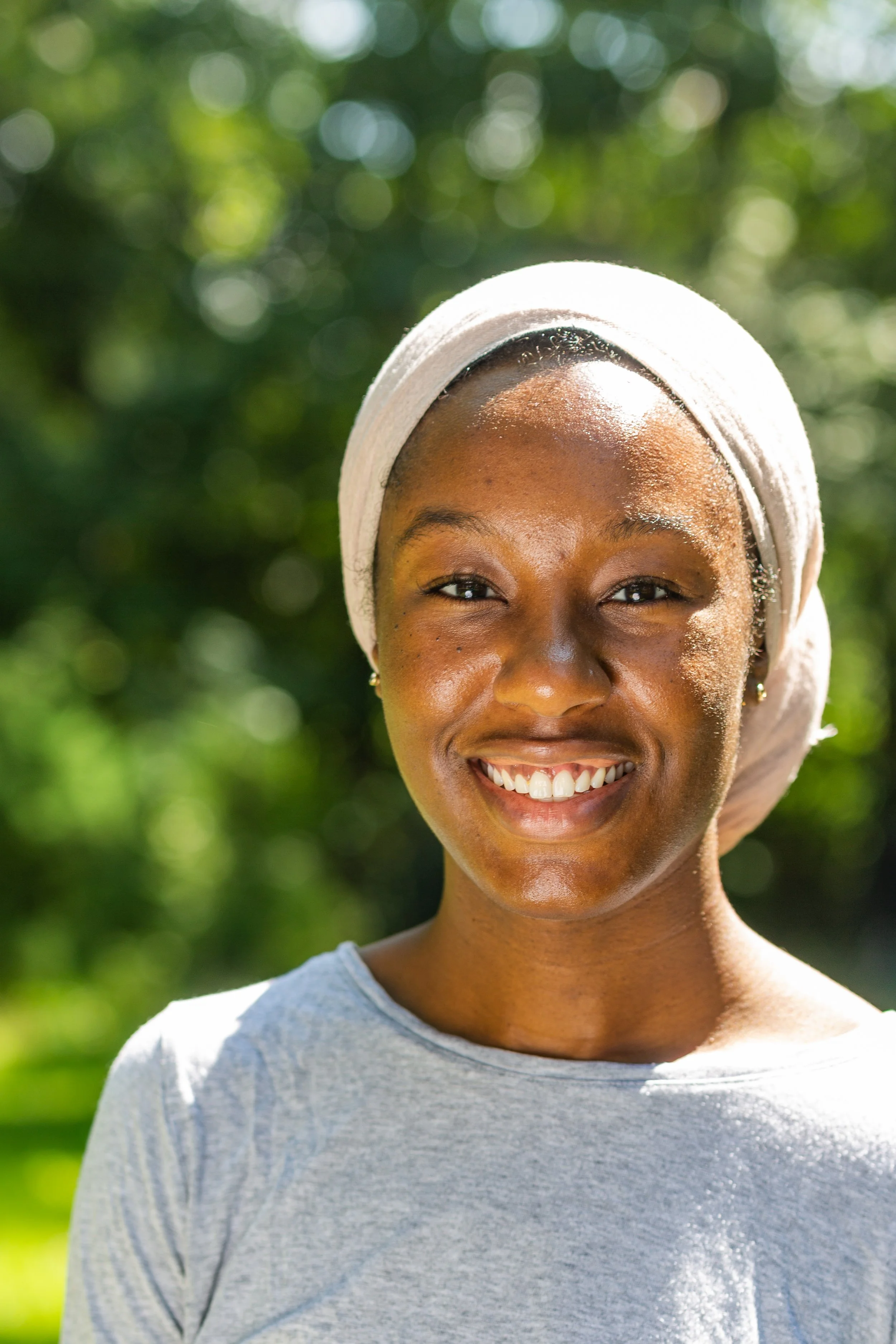
Shani Banks is a Clinical Mental Health Counselor, Certified Yoga Teacher, and Certified Meditation Teacher. She facilitates the psychosomatic meditation and yoga program at New Hope Counseling Group in Gaithersburg, Maryland. Shani's work at New Hope aims to support client mental health care by providing opportunities for clients to learn, implement, and recover using contemplative and mind-body resources.
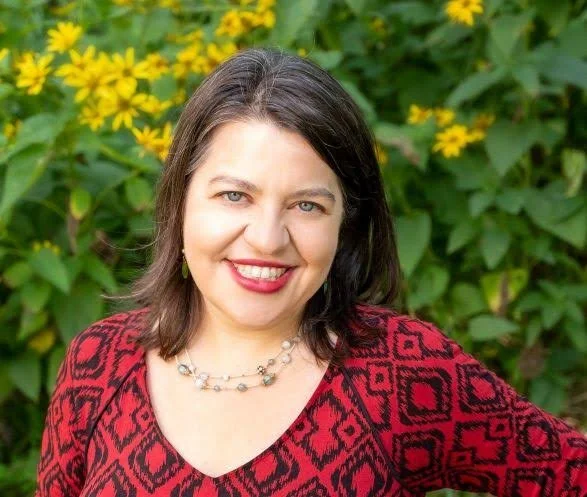
Melanie Meyer ND, MS, MPH, DipACL is a naturopathic physician in private practice, a public health researcher focused on mental health and integrative health, and an Educator Assistant Professor in the graduate public health program at the University of Vermont Larner College of Medicine, where she is also an Osher Center Affiliate. Her work spans clinical care, teaching, research, and community partnership, including collaboration with a designated mental health agency to support wellness program for individuals and communities in Central Vermont. Through participation in the Mindful Healthcare Scholars Program, she hopes to advance equitable access to mindfulness-based programming in Vermont communities while contributing to research exploring the impact of mindfulness on health and well-being outcomes.
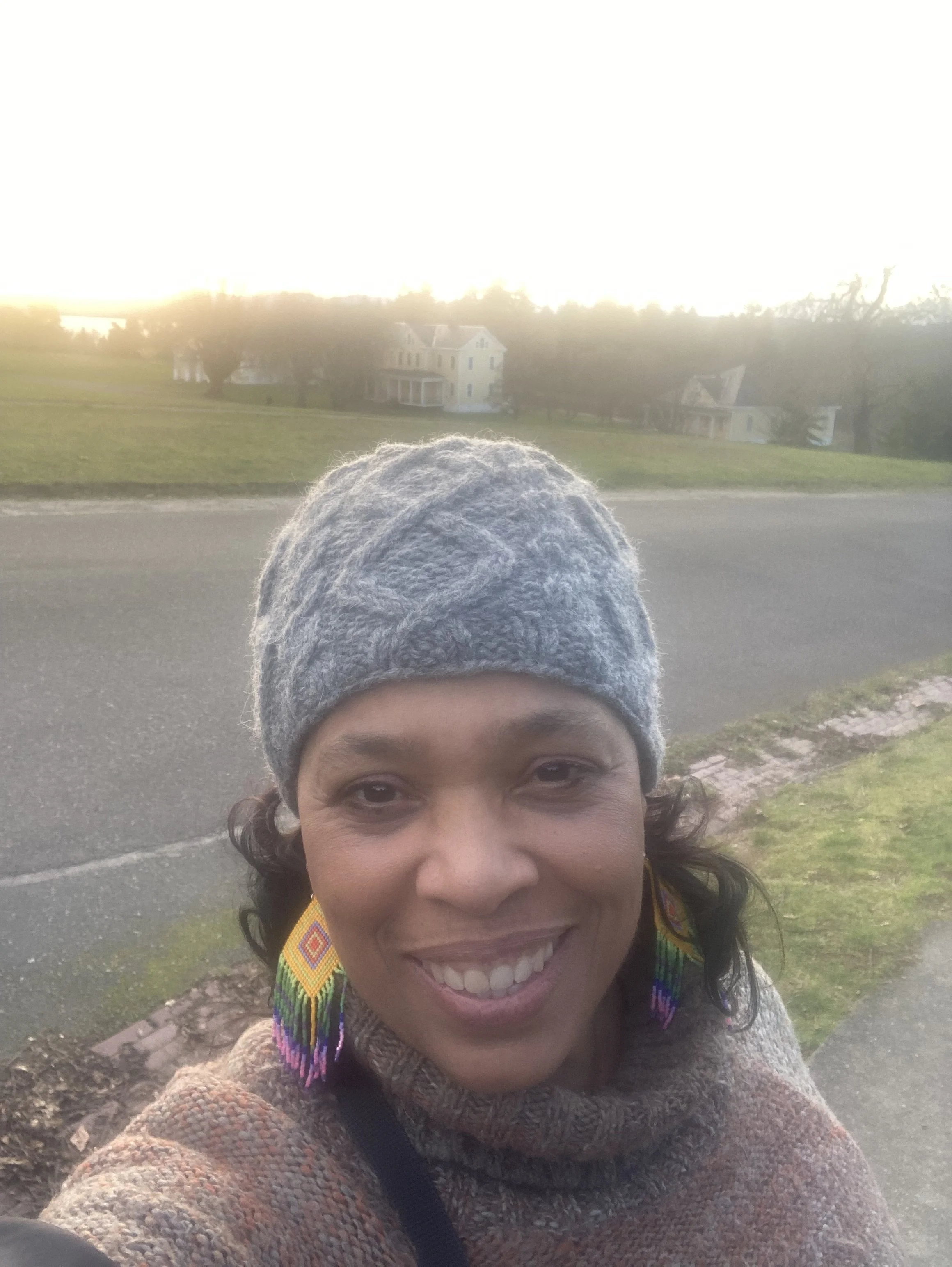
Lisa Price, ND, is a licensed naturopathic physician at Fred Hutch Cancer Center, Integrative Medicine, in Seattle. Washington with 28 years of experience specializing in integrative and complementary cancer care. A former research biochemist and NIH research fellow in immunology and oncology, she currently serves on the Integrative Medicine team at Fred Hutch Cancer Center. Her work is informed by a practice of Engaged Buddhism in the tradition of Thich Nhat Hanh, and she is also a professional playwright exploring themes of healing, identity, and human connection. The aim of her project is to be a more present physician for her patients and supply tools of mindfulness for my patients.
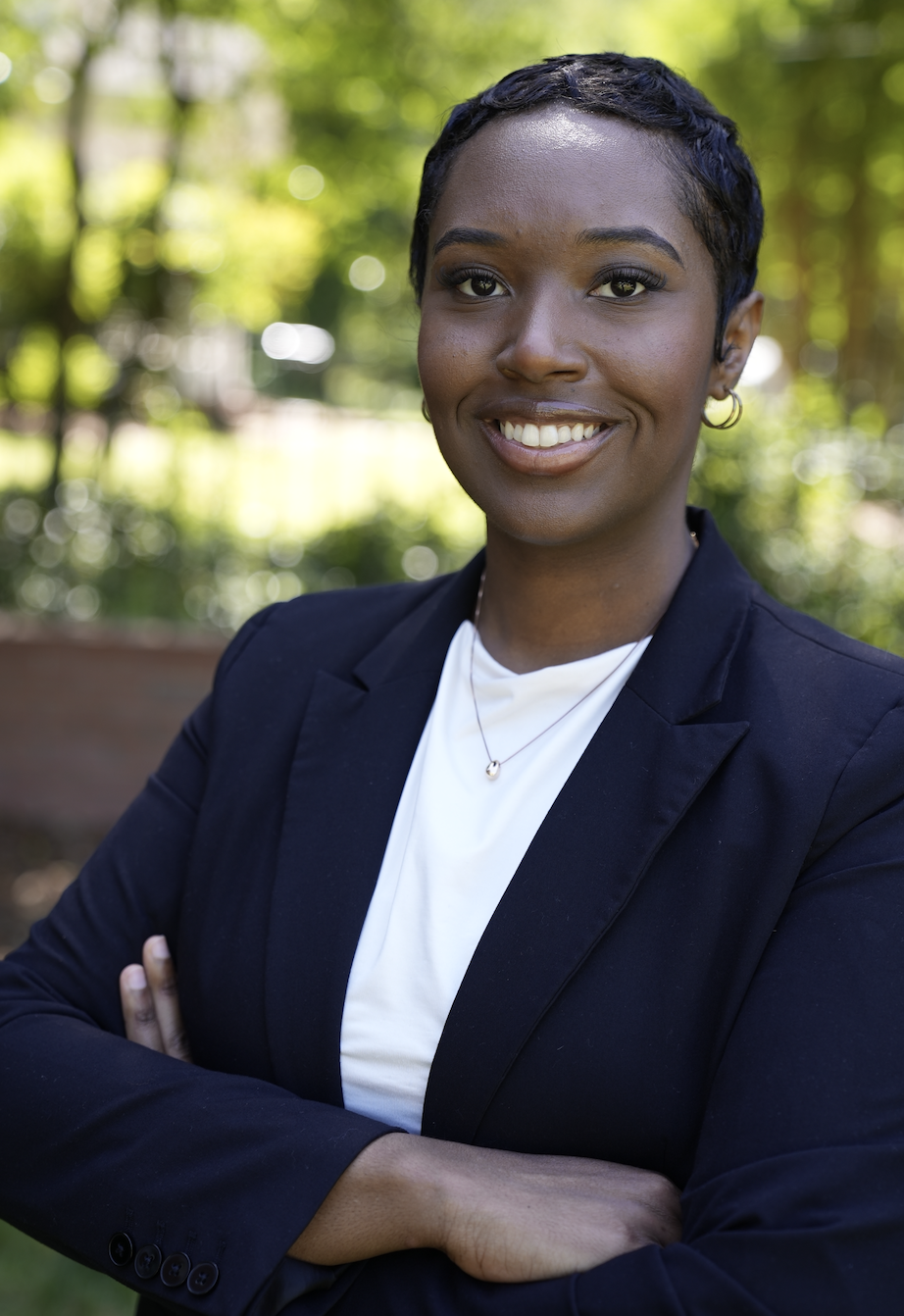
Taleah A. Frazier, BSN, RN is a PhD Candidate at the University of North Carolina at Chapel Hill School of Nursing who believes that all people should be granted the right to lead a healthy, fulfilling life. This right should be exercised from birth throughout the life course, and as a former postpartum nurse and emerging nurse researcher, she serves maternal/reproductive populations by conducting research on maternal health and stress-related cardiometabolic disease risk across the lifespan. Her dissertation study examines associations between mindfulness, stress, and cardiometabolic risk among reproductive-aged Black women, and she aims to use knowledge gained through the Mindful Healthcare Scholars Program to design and implement mind-body interventions that holistically promote the health and well-being of birthing people.
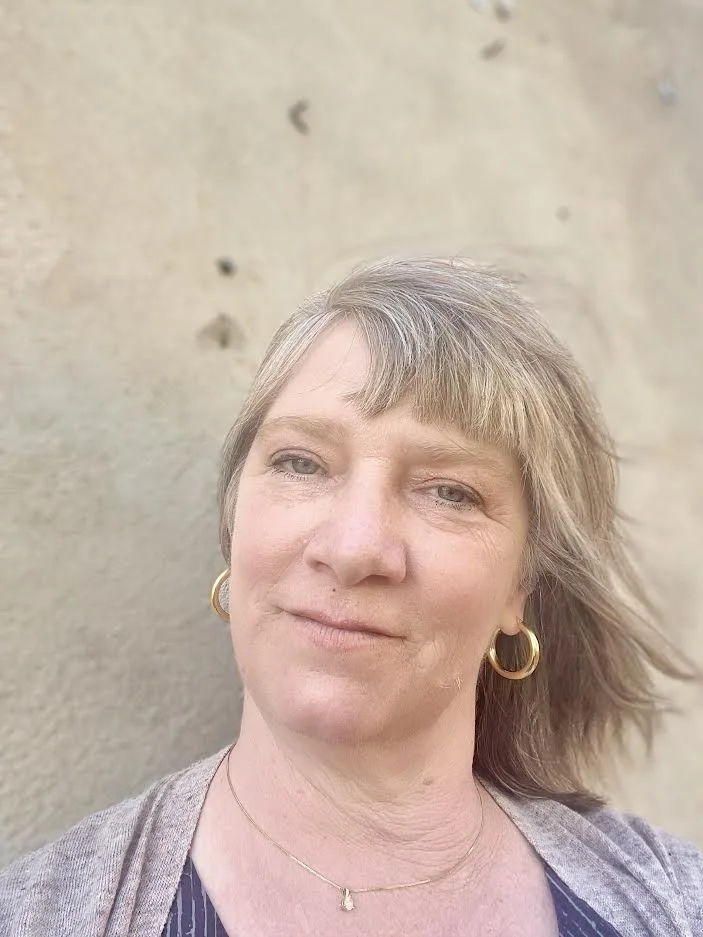
Sarah Krive, PhD, MSW Sarah Krive, PhD, MSW is Senior Lecturer in the Department of Liberal and Professional Studies at the University of North Carolina at Greensboro, where she teaches undergraduate and graduate courses in mindfulness, medical humanities, literature, and the arts, trauma, and healing. She holds a PhD in Slavic Languages and Literatures from the University of Chicago, with scholarly interests in Russian literature and linguistic anthropology.
She holds a Master of Social Work from the University of North Carolina at Chapel Hill, with a concentration in direct practice. She completed her clinical practicum in the Adult Mental Health program at Family Service of the Piedmont in Greensboro, NC, where she provided individual and group psychotherapy to adults experiencing trauma, substance use, domestic violence, and other mental health concerns. Her clinical training has emphasized cognitive-behavioral and trauma-informed approaches and the appropriate integration of mindfulness-based interventions.
Her Mindful Healthcare Scholars project focuses on two related goals: continuing to develop experiential, evidence-informed mindfulness practices in her university courses and integrating mindfulness-based interventions into her developing clinical social work practice. Her clinical interests include CBT, Acceptance and Commitment Therapy (ACT), trauma-informed care, and mindfulness-based approaches.

Rehana Rahman Kiani, MSW, LICSW, is the program manager for the Domestic Violence and Sexual Assault Program at Newton-Wellesley Hospital and co-chair for the Conference of Boston Teaching Hospitals (COBTH), Domestic Violence Council.
She leads a hospital-based program that supports survivors of intimate partner violence and sexual assault while advancing trauma-informed, culturally responsive care among healthcare providers.
Through the Mindful Healthcare Scholars Program, her project focuses on strengthening and refining mindfulness programming for survivors through the development of more structured approaches that promote accessibility and survivor-centered healing. Alongside this goal, she hopes to foster a culture of mindfulness and reflective awareness among healthcare providers who support survivors, emphasizing presence and reflection.

Jonathan Ayala (he/him/él) is the Health Program Manager at Compassion Institute. He focuses on managing the daily operations and programming for partner organizations. Prior to his time at CI, he managed advocacy training and leadership development programs for Long-Term Survivors of HIV. He lives in San Luis Obispo, CA.
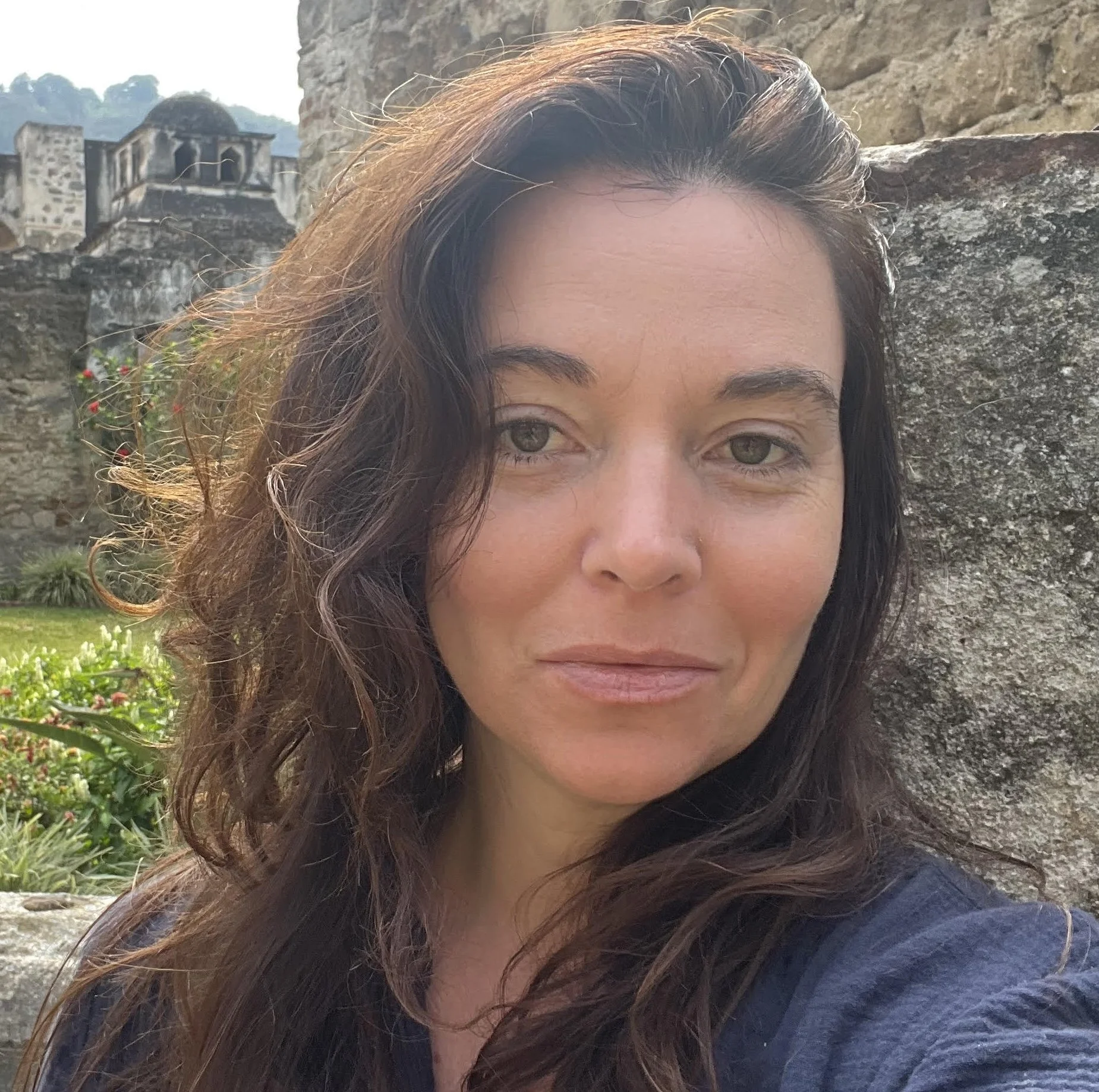
Katherine E. Soule, PhD is the Academic Administrator and Health Equity Cooperative Extension Advisor at the University of California, Davis and San Luis Obispo/Santa Barbara Counties. She focuses on health equity at the community level (San Luis Obispo and Santa Barbara Counties) and works in partnership with local hospitals, healthcare systems, primary care, mental health, social/behavioral health, and oral healthcare providers. The aim of her work is to improve health outcomes for all in her communities.
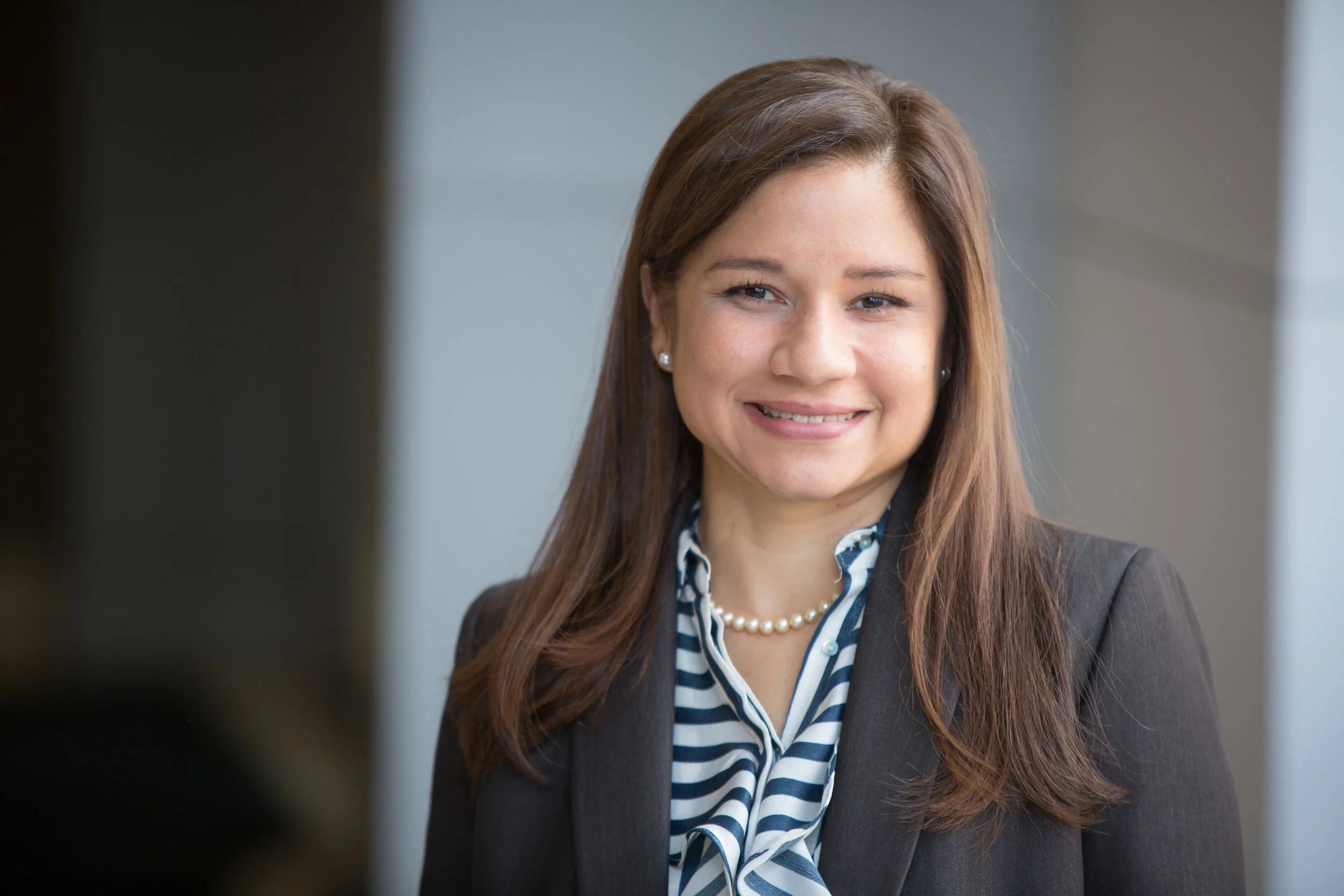
Alba Cabral, PhD Alba is a licensed clinical psychologist with over two decades of experience in assessment and psychotherapy across hospital, school, and private practice settings in the New York metropolitan area, where she has also supervised clinical trainees. Her practice includes providing individual therapy to healthcare workers, drawing on her deep knowledge of high-demand clinical environments. Her project is to develop and lead mindfulness-based groups for healthcare professionals aimed at reducing burnout and building sustainable resilience.
Nezihe Alibaba is an MD/PhD student at Near East University and a psychotherapist based in Cyprus. She facilitates mind-body approaches in her private practice, which focuses on health promotion and community well-being. Her project aims to integrate mindfulness and compassion into the healthcare system through research with clinical populations.
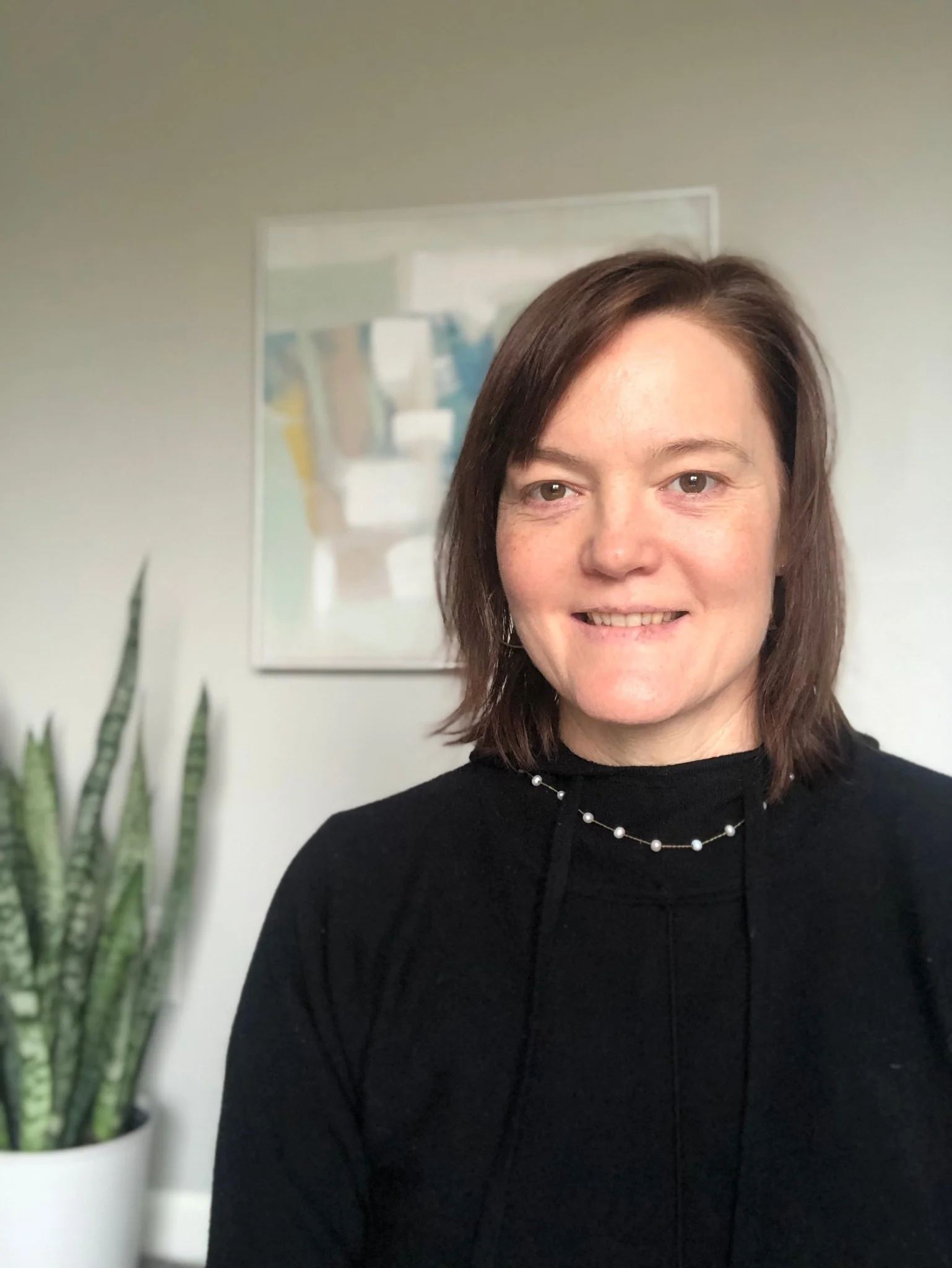
Stephanie Sheridan, MA, MSW, is a therapist in Massachusetts working in outpatient behavioral health and providing telehealth services to adults navigating anxiety, trauma, grief, and life transitions. In addition to her clinical work, she assists with professional trainings in Internal Family Systems (IFS) and is interested in expanding access to mindfulness-informed group experiences that foster connection, self-compassion, and community support. Through the Mindful Healthcare Scholars Program, she is developing a project focused on creating accessible mindfulness-based resources and opportunities that promote emotional well-being and meaningful connection.
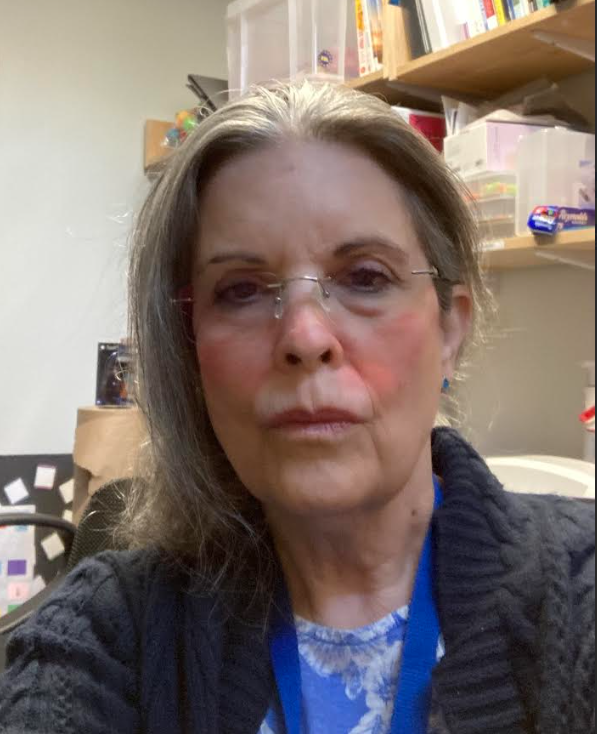
Susan Azul is a counselor, psychologist, and addiction specialist at McLean Southeast & New England Medical Group. Her objective is to create an optional meditation group for clients and perhaps encourage meditation amongst colleagues.
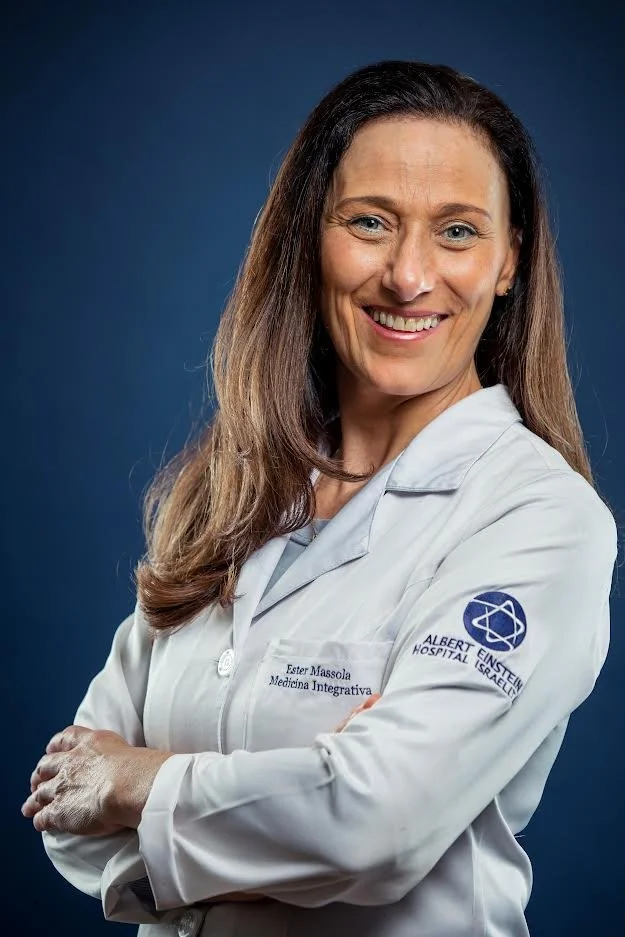
Maria Ester Azevedo Massola is the Integrative Medicine Coordinator at the Einstein Hospital Israelita in São Paulo, Brazil, where she is working towards the development of compassion in healthcare for patients and healthcare professionals.
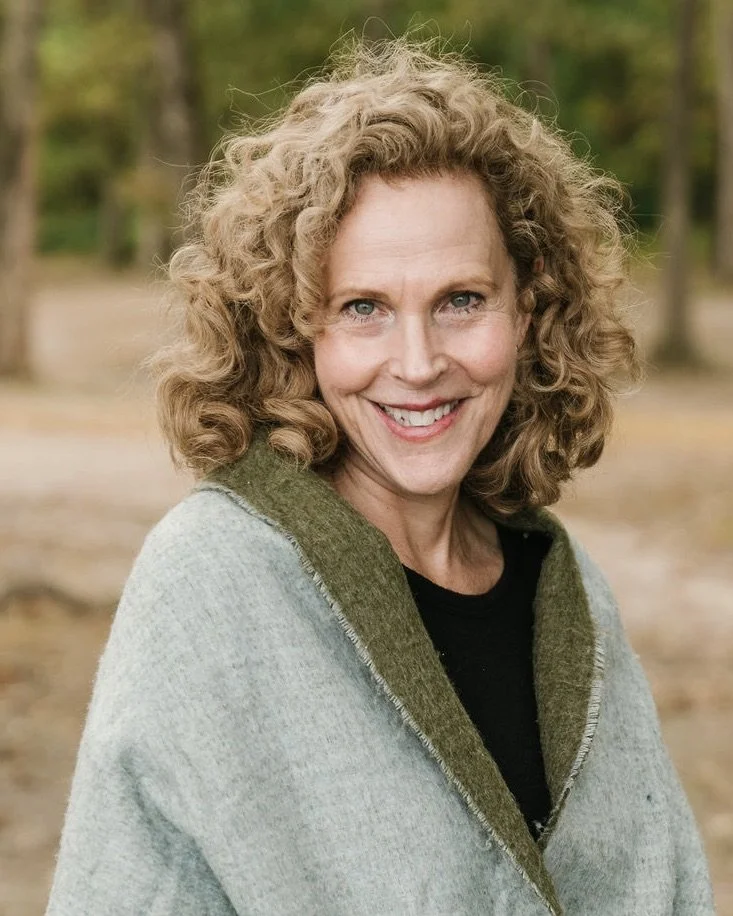
Jennifer Swanberg, Ph.D., MMHS, OTR/L is a Professor of Public Health in the College of Health & Wellness at Johnson & Wales University in Providence, Rhode Island, bringing a distinguished 30-year career as a researcher, educator, and administrator. Serving undergraduate public health students, she has leveraged this deep professional expertise alongside her training as a certified mindfulness meditation teacher to develop and deliver an innovative Mindfulness for Health & Wellbeing course. As a Mindfulness in Healthcare Scholar, her project aims to evolve this course curriculum using the most current evidence-based practices to foster resilience and compassion in the next generation of healthcare practitioners.
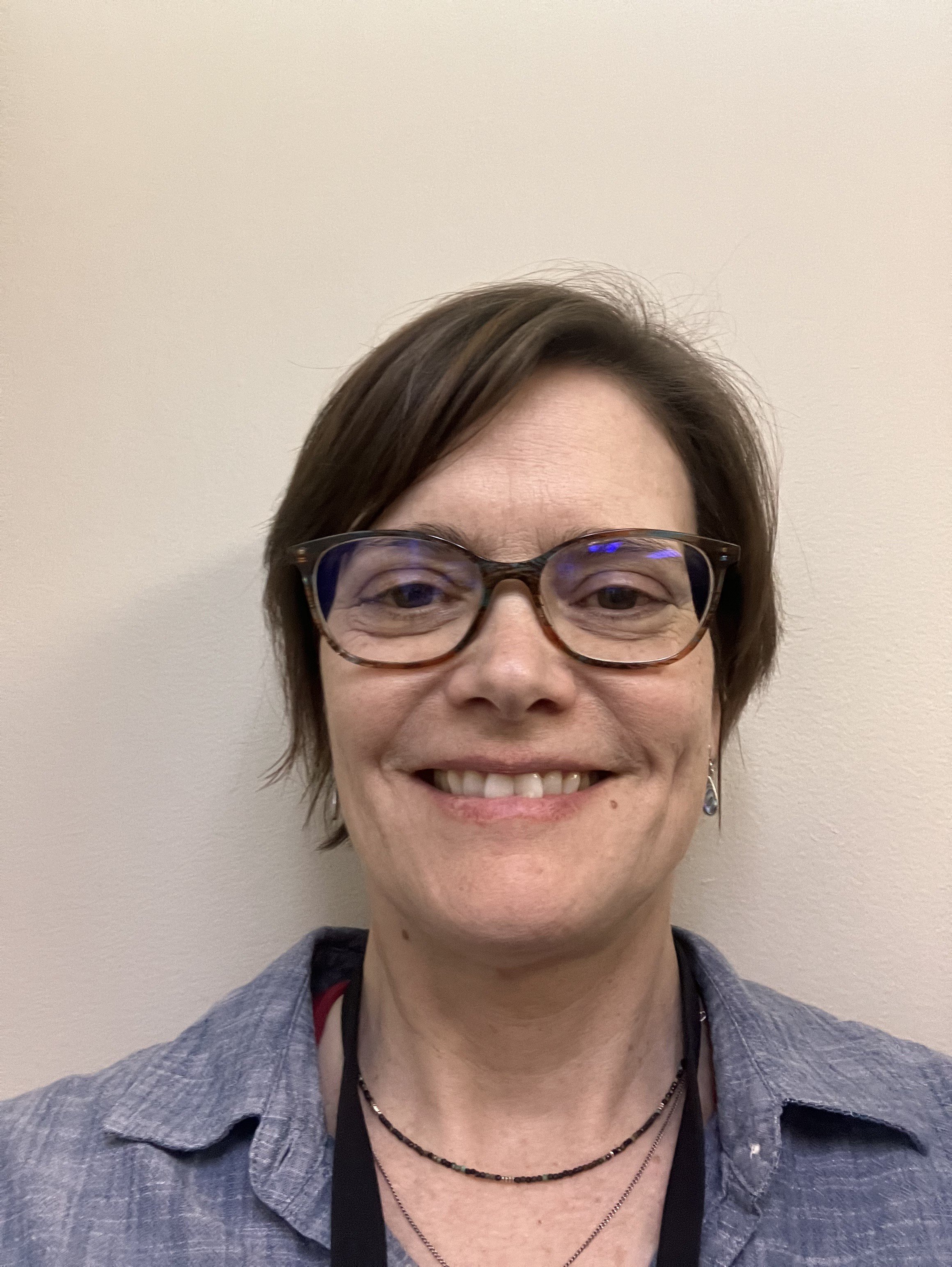
Kendra Lutes is a Licensed Clinical Professional Counselor (LCPC) at a Community Health Center in Southwest Idaho. Kendra supports staff providing clinical and care management services to people with housing insecurity. She values collaborative opportunities to promote social and system change to create healthier communities.
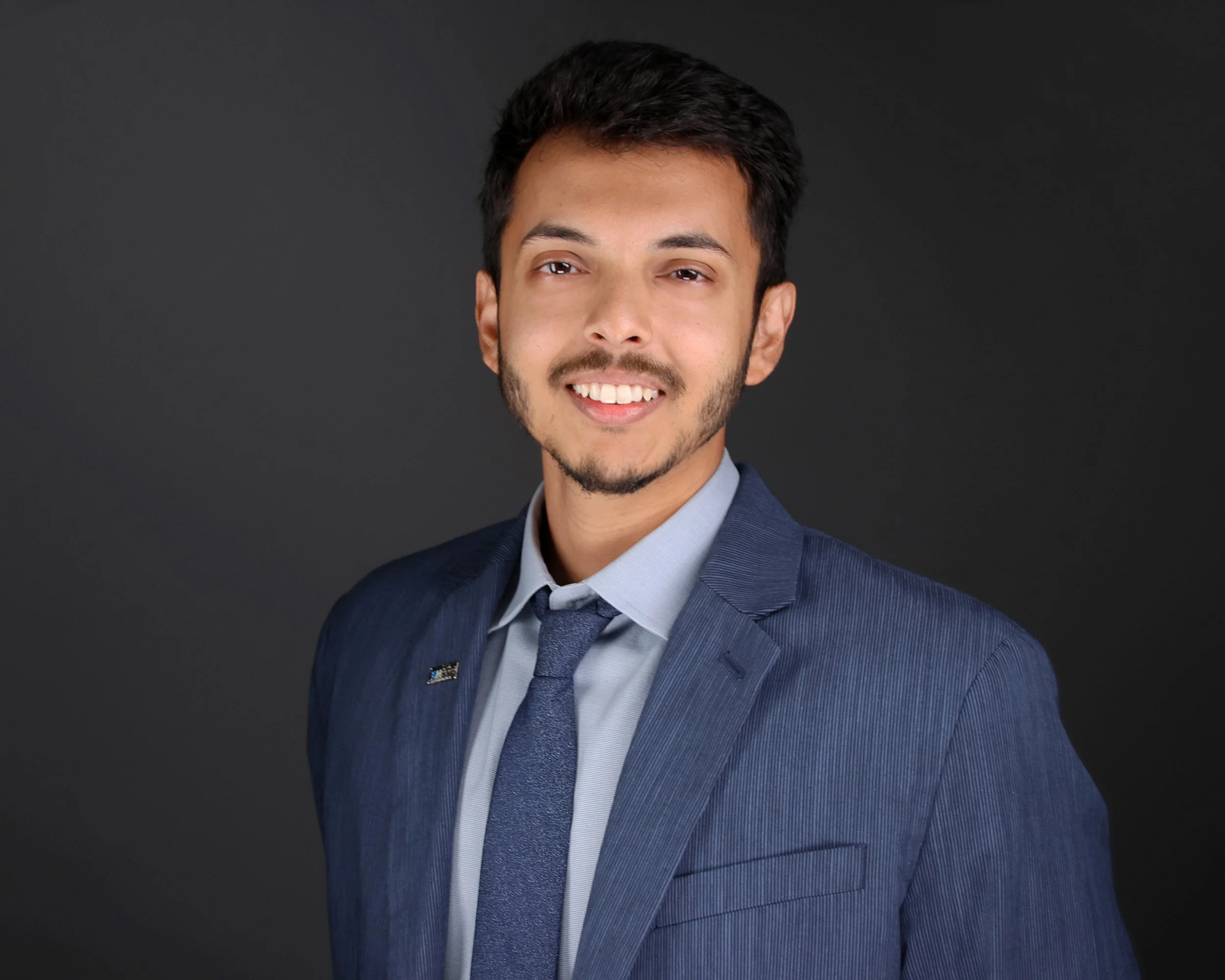
Aproteem Choudhury, MSW is a contemplative educator, mind-body practitioner, and Program Director of Health at the Compassion Institute, where he supports healthcare leaders, clinicians, and community-based partners in cultivating compassion-centered systems of care. Based in Houston, Texas, his work serves healthcare professionals, public health organizations, and communities navigating stress, trauma, burnout, and the need for deeper relational healing. His project aims to integrate compassion training, contemplative practice, and implementation science to strengthen resilience, connection, and compassionate culture within healthcare settings.
Liza Katz, LICSW, SEP, is an outpatient psychotherapist at Boston Medical Center who provides mindfulness-based, somatically informed, trauma-sensitive psychotherapy for children, adolescents, and adults. Drawing on a background in higher education administration, program development, and contemplative practice, she is currently leading a feasibility project exploring the integration and expansion of mind-body approaches within the outpatient psychiatry clinic.
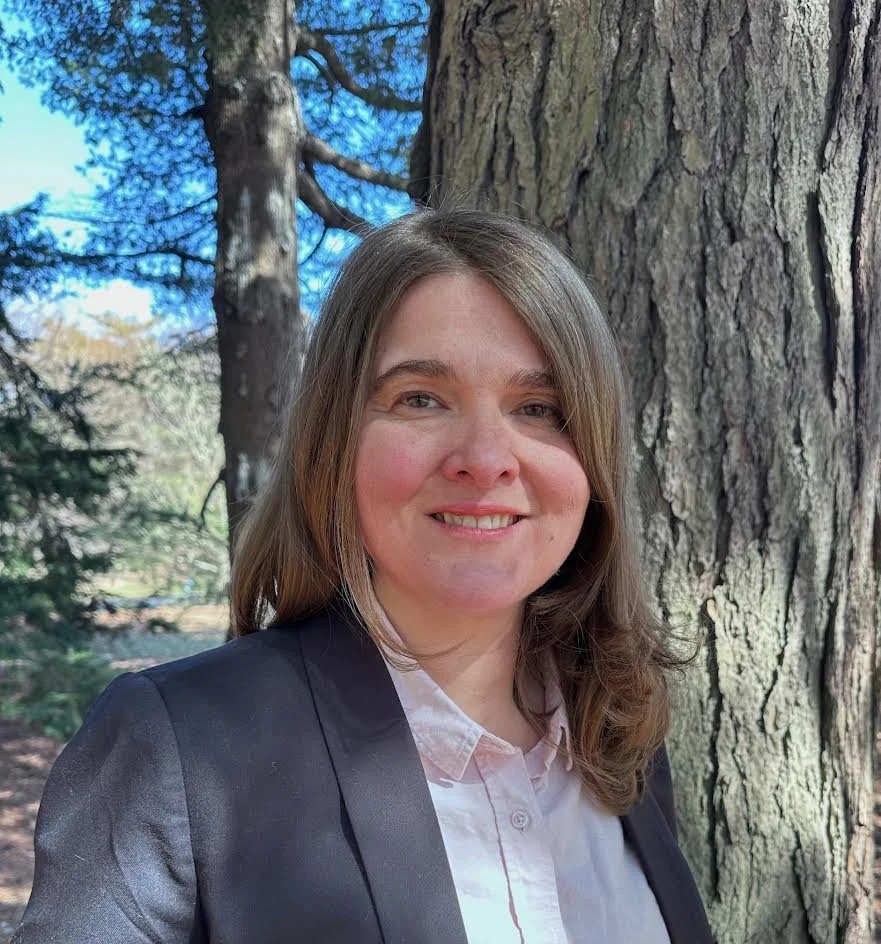
Laura Stevens (they/she) is a Social Worker, Adjunct Faculty, and PhD Candidate at Simmons University and a Research Manager at the Institute for Trauma Treatment in Schools. Laura also has a private psychotherapy practice based in Boston Massachusetts. In their clinical practice, Laura specializes in trauma-informed approaches to mental health, LGBTQIA+ affirming mental health care, cognitive behavioral therapy for depression and anxiety. Laura is a trained yoga and mindfulness instructor and they have experience integrating mindfulness-based approaches to clinical social work practice. Laura’s dissertation focus is to determine whether a 3-week SCHC intervention is feasible, acceptable, and efficacious in reducing burnout among social workers.
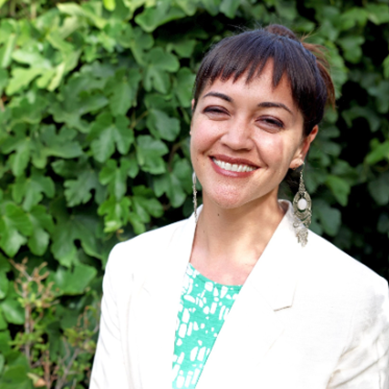
Joanne Qinaʻau, PhD, MA, E-YT750 is an Indigenous clinical psychologist and T32 NCCIH Postdoctoral Research Fellow at the UCSF Osher Center for Integrative Health, as well as founder and director of the Pilina Center for Wellbeing in Honolulu. Their work weaves Indigenous epistemology, community-based participatory research, and rigorous biomedical measurement to reduce health disparities for Native Hawaiians and other underserved communities. An MBSR teacher and co-creator of Hawaiʻi's first Yoga Teacher Training centering Indigenous place-based practice, they have developed and delivered mind-body programs across clinical, military, community, and academic settings, including Pilina Welo, a trauma-informed, culturally grounded wellbeing program piloted across 34 Native Hawaiian-serving organizations. Through the Mindful Healthcare Scholars Program, their project centers on Mindful CREW (Community Regulating Bias for Equity and Wellbeing), a manualized, evidence-based mindfulness program they developed to strengthen communication and decision making in healthcare settings, reduce bias, and support the wellbeing of both patients and clinic employees.
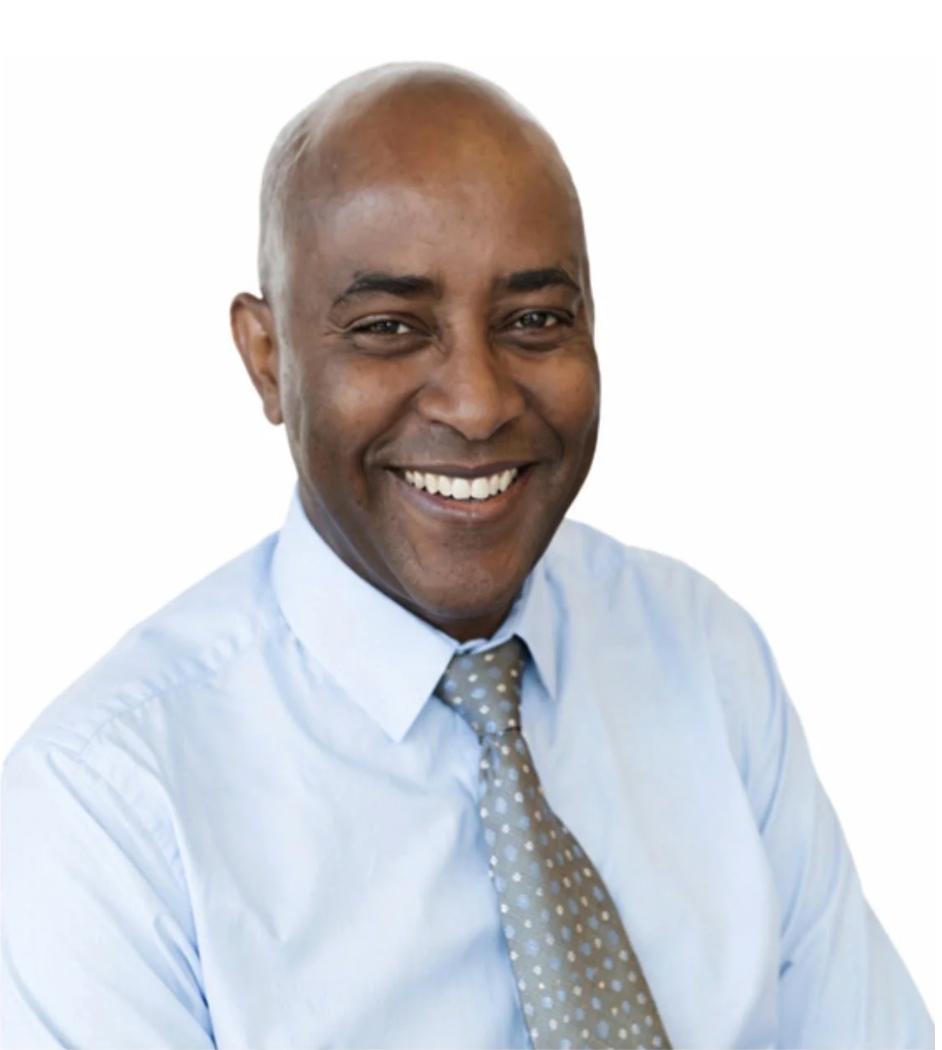
Dr. Habenom Gedeyis is a lead Physician at Neuromed Clinic in Edmonton, Canada, and Clinical Lead for Chronic Pain and Neurogenic Mental Health Disorders at Neuromed Clinic in Dublin, Ireland. He is actively engaged in clinical governance and quality improvement through the Royal College of Physicians of Ireland (RCPI) and contributes to education and EDI initiatives with the Royal College of Physicians of Edinburgh (RCPE). He completed postgraduate training in Algology and focuses on neuromodulation and multidisciplinary care for complex pain and neurogenic disorders.
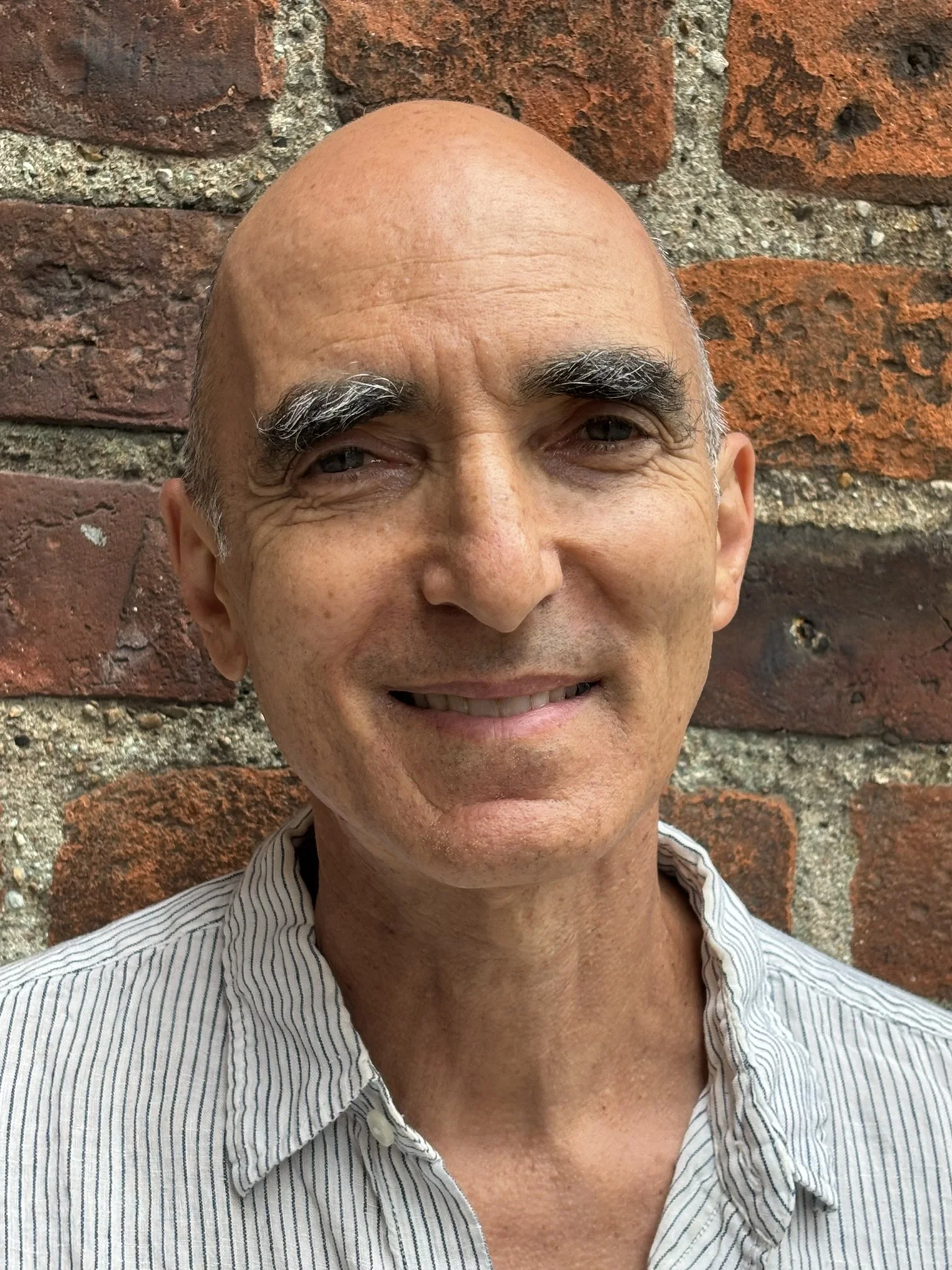
Charles Perkel is a board-certified adult and addiction psychiatrist based at Maimonides Medical Center in Brooklyn, New York. He serves as the director of addiction treatment services within the department of psychiatry. Maimonides Medical Center is a Brooklyn based community health center with a robust mental health program serving the surrounding Brooklyn population. It also has a strong training program for psychiatry residents and other mental health clinicians.
His aim in joining the Mindful Healthcare Scholars program is to gain more knowledge that can help his treatment center develop a mindfulness curriculum, with a particular focus on mindfulness-based relapse prevention for our patients dealing with issues of addiction. He wants to add this to his training curriculum for psychiatry residents and other clinicians. He also has an interest in psychedelic medicines in this context.

Tauhida Akhi is a Care Partner serving patients and families at Cambridge Health Alliance. In her role, she provides brief behavioral health support, psychoeducation, motivational interviewing, problem-solving, goal setting, mindfulness, self-management strategies, and connections to community and school resources for patients experiencing mood, anxiety, sleep, and other behavioral health concerns. Her aim is to help patients and families build practical coping skills, improve their overall well-being, and feel supported in making meaningful, sustainable changes as part of an integrated primary care team.
Lisa Lachance Hartwick is a social worker in Boston, MA running a violence intervention program, called the Center for Violence Prevention and Recovery at Beth Israel Deaconess Medical Center that works with a diverse patient population who have experienced interpersonal violence ( domestic and sexual abuse, community violence and human trafficking). She hopes to bring mindful practices to our management team leaders, who are leaders in various units of the social work department. The program she directs is sited in the social work department and they work very collaboratively with their social work colleagues.
FOUNDATIONS COURSE
6-month core curriculum starts June 2026.
Monthly live online sessions with faculty and guest speakers.
Typically the first Wednesday of each month for 2 hours.
Dates: June 3, July 1, August 5, September 2, October 7, November 4, 2026.
Time: 4:00-6:00 pm Eastern Time Zone, United States.
These are didactic and experiential sessions (Scholars will have skill-building assignments for 1 hour a month, in between sessions).
Monthly small groups for practice, peer support, and project planning, 1 hour each month - scheduled depending on Scholar interest areas and/or affinity groups.
September 25th & 26th : In-person 2-day network experiential workshop at the mid-point in the Boston area; online option will be available, in-person highly recommended.
Time: 9am-5pm, Cambridge Hospital
FURTHER DETAILS:
The Foundations Course offers students:
An opportunity to learn about mindfulness and compassion in healthcare, the science of mindfulness, and best practices from expert faculty.
An opportunity to join a social network of mindful healthcare leaders (one in-person network activity).
An opportunity for learning mindfulness and compassion personally or deepening/expanding knowledge of MBIs and personal practice.
Programmatic Course Outcomes
Upon successful completion a student will be able to:
Critically evaluate the scientific foundations and clinical applications of mindfulness and compassion in healthcare.
Discuss evidence-based mindfulness-based interventions (MBIs) to clinical and organizational contexts.
Explore one's own motivations, strengths and challenges around maintaining a mindfulness and/or compassion practice.
Establish a mindful healthcare community through structured networking and collaborative activities.
Learning Objectives
Students will learn:
Define mindfulness and compassion: articulate a clear and evidence-based definition of mindfulness and compassion.
Discuss the theoretical and clinical evidence for the benefits of mindfulness and compassion in medicine.
Be able to articulate the value of mindfulness and compassion programming to colleagues and leadership, and advocate for its integration into health care.
Name 3 types of evidence-based MBIs and their effects on patient outcomes and system outcomes.
Establish a regular, personal mindfulness and compassion practice that aligns with your own values and worldview.
FAQs
Eligibility
You do NOT have to be a healthcare provider or mindfulness instructor to take part in the program. More importantly, you must possess an interest in this topic and integrating mindfulness into the healthcare system or the system you a part of/ work at.
Do I have to take the Foundations Course to take part in one of the Advanced Training Tracks?
Applicants are strongly encouraged to first complete the Foundations Course before moving on to an Advanced Training Track. We strongly value the development of a Mindful Healthcare Scholars professional network which the Foundations Course is designed to foster. However, special requests for advanced training will be considered and will based on the decision of the application committee.
When can I expect to hear back after I’ve applied?
Applications review will start on March 15th and continue on a rolling basis until May 15, 2026. Since this is a competitive application and there are limited spaces available, we encourage you to apply as early as possible. You can expect to hear back from us within 3-4 weeks.
PRICING
Early Bird Rate ~ April 1st, 2026: $699.00 | Special Conference Attendee Rate ~ $699.00
Participant Rate : $799.00
Student/Resident rate : $499.00
Cambridge Health Alliance Rate for CHA faculty or staff : $499.00
Late Enrollment Rate : $899.00
ADVANCED TRAINING TRACKS
These programs are designed to follow the Foundations Course with advanced level skills and curriculum.
These programs provide an unique curriculum with education from mindfulness experts, in-person and virtual workshops, online lectures and, the opportunity to receive expert mentorship. You will also receive training in implementing real-life projects to bring evidence-based, Mindfulness-Based Interventions (MBIs) into your healthcare system. You may enroll in 1, 2, or all 3 tracks. Advanced Tracks can be added over time if needed as well, but there is a registration discount if you sign up for advanced tracks at the same time that you register for the Foundations Course.
-
At the end of this program, scholars will be qualified to provide leadership on implementation of MBIs into a healthcare setting using insurance coverage and other innovative payment models. Scholars will also receive a Mindful Healthcare Implementation Certificate. This program focuses on the pragmatic integration of mindfulness and compassion interventions into complex healthcare systems through the lens of implementation science and quality improvement. This track is for those who want to apply the scientific foundation of implementation frameworks and quality improvement methods (e.g., PDSA cycles). The program emphasizes practical application, leadership development, and strategies for overcoming barriers to adoption and scaling.
Dates & Times
12 sessions starting in January 2027, meeting every first Wednesday of the month from 4-6pm ET
January 6
February 3
March 3
April 7
May 5
June 2
July 7
August 4
September 1
October 6
November 3
December 1Course Outcomes
Upon successful completion of the Mindful Healthcare Implementation Certificate, students will:
Develop a comprehensive implementation plan for mindfulness or compassion-based intervention in a healthcare context.
Produce a project proposal that includes measurable outcomes and sustainability strategies.
Foundational Knowledge of the Definition of Implementation Science and Quality Improvement
Define Implementation Science as the scientific study of methods to promote the uptake of evidence-based practices into routine healthcare.
Define Quality Improvement as the scientific study of methods to promote site specific changes into routine healthcare.
Define the difference between quality improvement and implementation science.
Assessing the Landscape of the Health Care Scholar’s Implementation Site and Developing a Basic Quality Improvement or Implementation Plan
Create an Assessment Inventory Tool to explore the location’s existing mindfulness and compassion programming in the medical setting.
Recognize the needs of the community, clinicians, administration and patients to implement Mindful and Compassion programs within their organization.
List what are the drivers and barriers of mindfulness and compassion in one’s health care setting and who are the champions and potential partners in your health system.
Identify 3 reasons why mindfulness and compassion evidence-based practices often fail to be adopted in clinical settings by identifying common barriers and facilitators.
Choose the Implementation Science and Quality Improvement Outcome Measures
Identify key outcomes to measure during the QI or implementation project: Determine the best type of outcomes: clinical outcomes, implementation outcomes, cost outcomes.
Get the buy-in from clinicians, administrators, patients, etc.—in the implementation process and outcomes.
Addressing factors and barriers involved in implementing mindfulness and compassion programs into medical settings and how to overcome them.
PRICING:
Standard Price: $1,299
Discounted Price:
Example 1. Foundations plus Implementation and Quality Improvement Science for Mindfulness and Compassion in Healthcare Certificate Program:Those who enroll in BOTH the Foundations Course and the Implementation Certificate Program at the same time will get a 20% discount on the cost of the Implementation certificate program course if they enroll in both before the Foundations Course starts.
Foundations Course + Implementation Certificate Program ~ $799 + $ 1,299.00 - (20% x $1,299)
(20% discount) = $799 + $1,039 = Total cost = $1,838.20 -
This is for an individual to utilize when implementing a project and needs mentoring assistance. We will offer group mentoring office hours for people to sign up for and this can be selected by participants based on their budget.
Some examples of successful implementations that our team has already provided for other healthcare settings, include Beth Israel Deaconess Medical Center Primary Care, the Marino Center for Integrative Health; Mount Sinai (NYC); Boston Medical Center; Cambridge Health Alliance; and The Mandela Yoga Project.
PRICING:Small Group Mentoring Price: $150/hour (up to 3-4 people per group)
Package Rates for Mentoring:
(12 small group package with a 20% discount if you sign up before the Foundations course starts) = $1,440Please email pgardiner@challiance.org for more information.
-
For those who have finished foundations and would like to pursue becoming a facilitator for a Mindfulness program.
Scholars will have the opportunity to gain personal experience in an 8-week mindfulness-based intervention of their choice at CMC during the year. Scholars can choose a pathway for attaining MBI certification based on their personal preference and professional goals.
Intensive training at CMC in MBCT or MBC are offered at an all-included discounted price for scholars.
Certification pathways with collaborating partner institutions can also be considered.
First hand training in:
-Mindfulness Based Cognitive Therapy (MBCT)
-Mindful Self-Compassion (MSC)
-Mindful Behavior Change (MBC)
In order for MBC groups to be led as an insurance-reimbursable modality, at least one group leader should be a licensed clinician in the state where the group is offered.
PRICING:
Standard Price (for Mindful Healthcare Scholars): $1,699 Discounted Price (if purchased at the same time as Foundations Course): $1,359
(Original total cost of individual registrations for 8-week MBI and intensive group leader training intensive program without MHS discounts $2,099)
PRICING
-
Early Bird Rate ~ April 1, 2026: $699.00 | Special Conference Attendee Rate ~ $699.00
Participant Rate: $799.00
Student/Resident rate: $499.00
Cambridge Health Alliance Rate for faculty or staff: $499.00
Late Enrollment Rate: $899.00Click here to apply !
-
Advanced Training Track 1: Implementation and Quality Improvement Science for Mindfulness and Compassion in Healthcare Certificate Program:
Standard Price: $1,299
Discounted Price (Sign up with Foundations Course): $1,039
Advanced Training Track 2: Mentorship ProgramSmall Group Mentoring Price: $150/hour (up to 3-4 people per group)
Package Rates for Mentoring (20% discount if you sign up for 12 small group mentoring sessions before the Foundations Course starts): $1,440
Advanced Training Track 3: Mindfulness Group LeadershipStandard Price: $1,699
Discounted Price (register with Foundations Course): $1,359
(Original cost without MHS $2,099)
Participants are encouraged to register for 1-3 advanced training tracks. If advanced tracked are registered at the same time as the Foundations course, then participants will receive a 20% discount on the cost of advanced trainings.~
Example cost calculator:Example 1. Foundations plus Implementation and Quality Improvement Science for Mindfulness and Compassion in Healthcare Certificate Program:
Those enrolled in BOTH the Foundations Course and the Implementation Certificate Program will get a 20% discount on the cost of the Implementation program course if they enroll in both before the Foundations Course starts.
Foundations Course + Implementation Certificate Program ~ $799 + $ 1,299.00 - (20% x $1,299)
(20% discount) = $799 + $1,039 = Total cost = $1,838.20
Example 2: Foundations Course + Implementation Certificate Program + Mentorship Program:
$799 + $ 1,299.00 - (20% x $1,299) (20% discount) + $1,440 = Total cost = $3,278.20
Example 3: Foundations plus Mindfulness Group Leadership
$799 + $ 1,699 - (20% x $1699) (20% discount) = $799 + $1,359 = Total cost = $2158
Example 4: Foundations Course + Implementation Certificate Program + Mentorship Program + Mindfulness Group Leadership
$799 (Foundations course)
+ $ 1,299.00 - (20% x $1,299) (20% off - Implementation Certificate Track)
+ $1,440 (20% discount package for Mentoring Track)
+ $ 1,699.00 - (20% x $1,699) (20% off - Mindfulness Group Leadership Track)
= Total cost = $4,637
-
A full refund will be issued, minus a $100 processing fee, for cancellations made up to 60 days before the training begins.
A 50% refund will be issued for cancellation in the period between 59 days to 30 days before the start of the training.
No refunds are available within 30 days of start of the training.
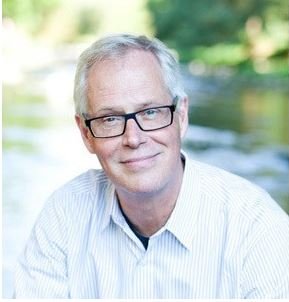
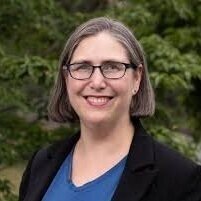
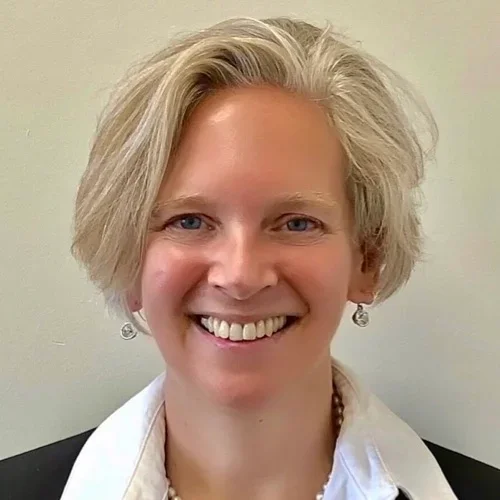
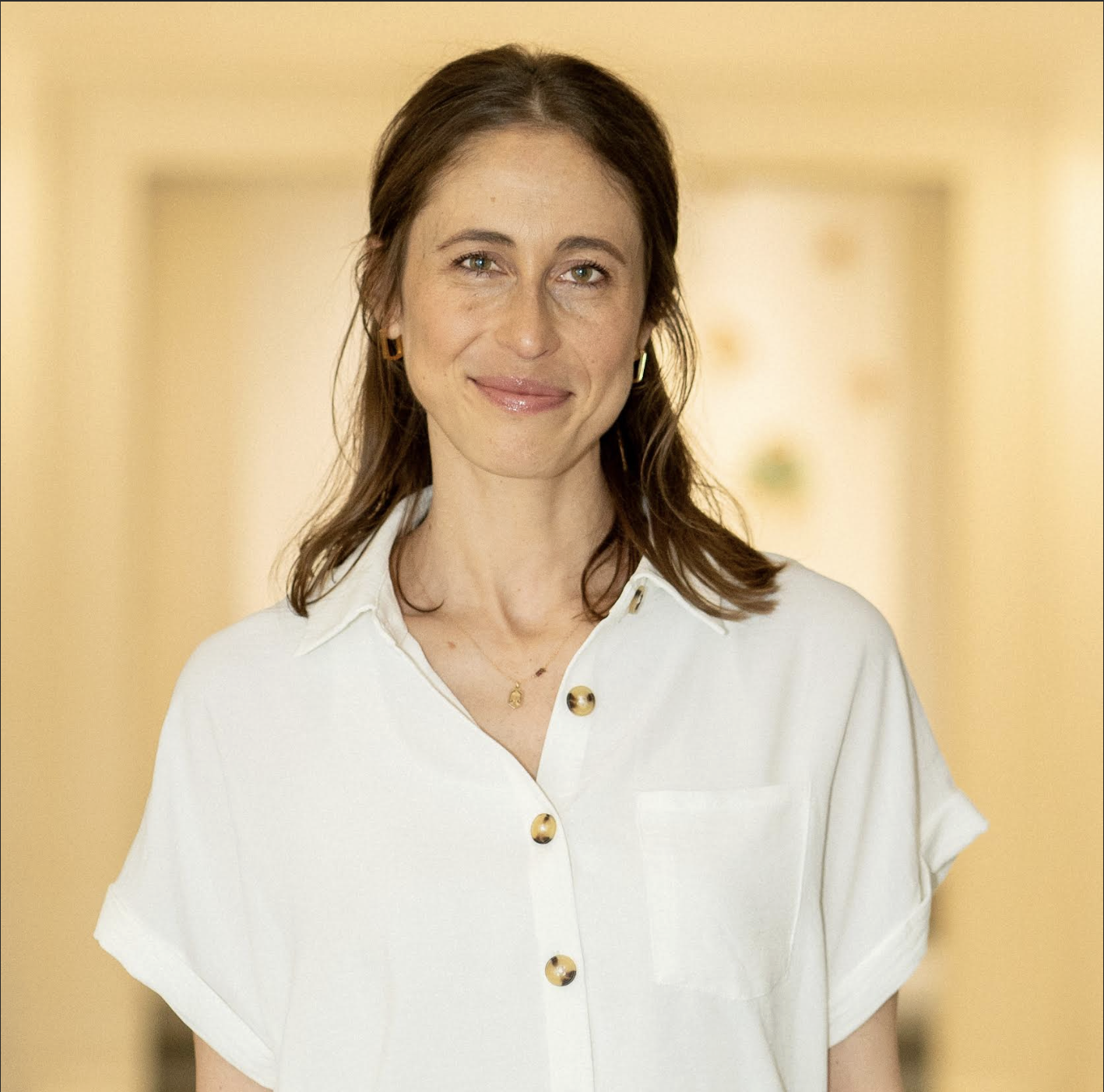
2026 Faculty List is Under Development -- Previous MHS Faculty Included:








-
Mindfulness-Based Interventions in Healthcare Settings
Developing Your Personal Mindfulness Practice
Identifying Payment Models for Financial Stability
Types of MBIs
Communicating MBI Proposal to Upper Leadership
Trauma-Informed Mindfulness and Adaptations for Diverse Populations
Overview of MBI Clinic Procedure and Clinic Workflows
Evaluating Your Groups
Improving Leadership Skills: team building, change management, and interprofessional
Building Your Support Network: peer scholars, alumni, and faculty
-
A Mindful Healthcare Scholar is a professional who is interested in learning about how mindfulness and compassion practices can be used in healthcare settings for the care of patients and supporting providers. This program provides scholars the opportunity for skill building and applying what is learned to implement projects in healthcare settings or through scholarly work. A Scholar does not need to have any prior personal experience with techniques related to mindfulness or other mind/body practices, and does not need to be a healthcare clinician.
-
There are numerous clinical trials showing how evidence-based MBIs can reduce depression, anxiety, stress, blood pressure, cardiovascular risk, and chronic pain. Mindfulness training in healthcare also helps reduce clinicians’ stress and burnout, improve communication, and increase the overall well-being of healthcare providers.
Examples include:
Mindfulness-Based Stress Reduction (MBSR)
Mindfulness Based Cognitive Therapy (MBCT)
Mindful Behavior Change, a program studied and created by CMC’s research team.
Integrated Group Medical Visits (IGMV)
Note: Some Scholars may also want to consider implementation of other Mind Body approaches, such as Yoga, Qigong, Tai Chi, which engage mindfulness as one of their mechanisms of action. These and other integrative approaches may be welcome if the Scholar already has knowledge about the use of these interventions, or has access to qualified teachers at their healthcare site.
-
The Center for Mindfulness and Compassion (CMC), established in 2014, is part of the Cambridge Health Alliance (CHA) healthcare system, affiliated with Harvard Medical School (HMS). CMC is a research, training, and clinical center, working to integrate evidence-based mindfulness and compassion practices into primary care, mental health, and outpatient healthcare settings. Examples include:
CMC’s MINDFUL-Primary Care (PC) project, which integrated mindfulness into primary care across the CHA healthcare system, has been studied in several clinical trials and has been disseminated to several other healthcare systems.
The Mindful Mental Health Service, which was founded 8 years ago and has had more than 5,000 healthcare system referrals, now offers a core set of referral-based, insurance reimbursable MBI services for hundreds of patients every year.
Our team has already provided implementation consultation for other healthcare settings such as Beth Israel Lahey Health Primary Care, the Marino Center for Integrative Health; Boston Medical Center; and The Mandela Yoga Project.
-
CMC specifically designed Mindful Behavior Change with patient groups that are insurance reimbursable and integrated into the healthcare system. In order for MBC* groups to be led as an insurance-reimbursable modality, at least one group leader should be a licensed clinician in the state where the group is offered.
*If your identified group leader is not trained in an MBI and is interested in becoming trained in MBC, which is specifically designed to be led in clinical settings, please learn more about the MBC Group Leader Training pathway. See below for discounts on Professional Training Packages.
-
The Mindful Healthcare Scholars program is co-directed by Paula Gardiner, MD, MPH and Zev Schuman-Olivier, MD.
Dr. Gardiner is a family physician, Director of Implementation in Primary care, and an Associate Professor at University of Massachusetts. She is a national leader in the implementation of integrative group medical visits.
Dr. Schuman-Olivier is a psychiatrist and an Associate Professor in Psychiatry at Harvard Medical School. He was the Founding Center Director for the Center for Mindfulness and Compassion at CHA and is the Director for the CHA Mindful Mental Health Service
For even more details, watch this recent video of Dr. Paula Gardiner
discussing some of the information you’ll dive into deeply through this curriculum.
Apply Now
Applications will open February 15th, 2026 and will be accepted on a rolling basis through May 15th, 2026.
However, in the past, this had been a competitive application process for a limited number of spots and may fill before May 15th. Early applications by March 15th are strongly encouraged.
Applications will be considered based on the following criteria:
A letter of recommendation from someone who has worked with you is required, or
A Letter of support from organizational upper leadership expressing support for developing or improving a MBI program in a healthcare system will be a key factor for identifying the most competitive applications.
Applications should highlight the ability to develop a team to support group delivery and MBI implementation in a healthcare setting (medical setting, mental health, community or public health, addiction treatment, etc.)
Potential for MBI programs being implemented for clinical populations
CE Information
This program has been approved for (1.0 each) Social Work Continuing Education hours for relicensure, in accordance with 258 CMR. NASW-MA Chapter CE Approving Program, Authorization # (D20318). NY Social Workers: Cambridge Health Alliance, Division of Continuing Education in Psychiatry is recognized by the New York State Education Department's State Board for Social Work as an Approved Provider #0038 of continuing education for licensed social workers. This program offers (1.0) contact hours per each course.
MHS September Retreat:
Cambridge Health Alliance, Division of Continuing Education in Psychiatry is approved by the American Psychological Association to sponsor continuing education for psychologists. Cambridge Health Alliance, Division of Continuing Education in Psychiatry maintains responsibility for this program and its content. This program offers (8.0) continuing education credits.
Cambridge Health Alliance, Division of Continuing Education in Psychiatry has been approved by the National Board for Certified Counselors (NBCC) as an Approved Continuing Education Provider, ACEP No. 5444. Programs that do not qualify for NBCC credit are clearly identified. Cambridge Health Alliance, Division of Continuing Education in Psychiatry is solely responsible for all aspects of the programs. This program offers (8.0) continuing education credit hours and is also applicable for Commonwealth of Massachusetts Counseling/Allied Mental Health accreditation for (8.0) credits.
This program has been approved for (8.0) Social Work Continuing Education hours for relicensure, in accordance with 258 CMR. NASW-MA Chapter CE Approving Program, Authorization # (D20318). NY Social Workers: Cambridge Health Alliance, Division of Continuing Education in Psychiatry is recognized by the New York State Education Department's State Board for Social Work as an Approved Provider #0038 of continuing education for licensed social workers. This program offers (8.0) contact hours per each course.

